
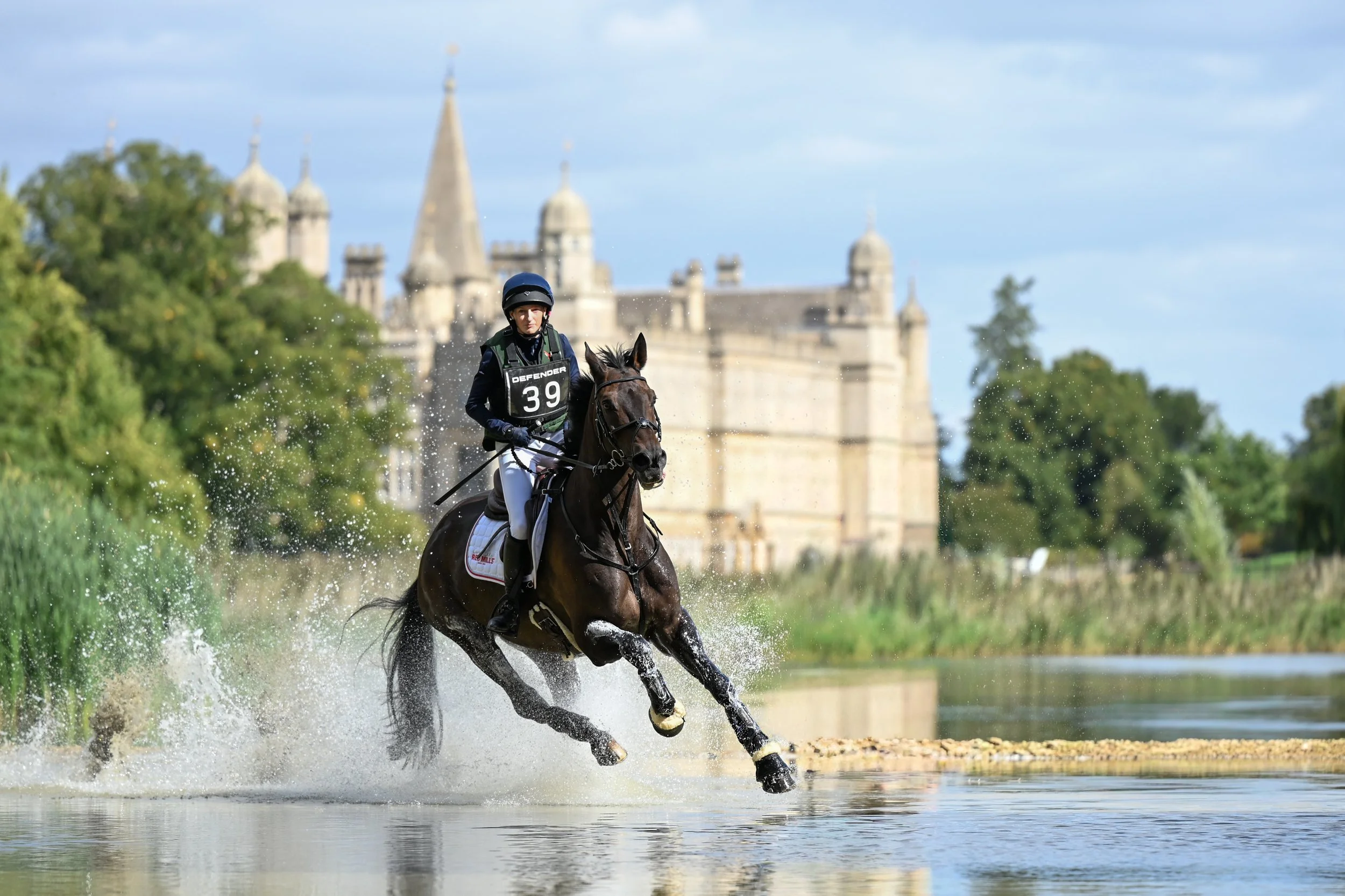
TO NORWAY THROUGH SPORTS
An Interview with Photographer George Cherry
Interviewed and edited by Louise Anderbjörk
How did you first discover photography?:
I started photography when I was around twelve years old. Like a lot of photographers, I began with my nearest surroundings and spent a lot of time photographing things like bees and flowers. They were great subjects for learning the basics of my camera settings, and soon I was inspired to enter a few village-fair photography competitions with my shots.
The monthly theme of these competitions challenged me to expand my portfolio, as much as I loved my bees and flowers, and one day at a rowing competition - I was rowing frequently at the time - I took a spur-of-the-moment photo on my Nokia brick phone of another rower with the sun setting behind them, and that sparked something in me. I remember looking at it and thinking: ‘This looks so cool. I would love to be able to take more pictures like these.’ Then, as it goes, life got busy and my photography interest faded for a while. It wasn’t really until I started studying at the University of St Andrews that I eventually returned to photography.
What made you pick sports photography as your niche?
During my studies, I played with the St Andrews rugby team for over a year and absolutely loved it but, unfortunately, my body hated it. Whenever we had a competition, I’d wake up the next day barely able to walk because my knees just wouldn't function. Eventually I had to accept that I couldn't play anymore. But the team had become my family during those first couple of years at university. I loved being around them and didn't want to stop being part of it, so I moved to the sidelines, dug up the camera I'd hardly used in years, and started photographing again.
It was amazing. With the 70–300mm kit lens I had, it still felt like I was in the action. I could stay on the sidelines and still feel connected to what was happening on the pitch and, crucially, feel connected to the team I still cared very much about. I’d say that's where sports photography really began for me.
I quickly returned to photographing rowing and also started exploring another passion of mine through the lens: motorbikes. Once, I cycled for about an hour down the country roads of Scottish Fife on a little city bike just to be able to photograph an event at a nearby motorbike club, The East Neuk Wobblers. I remember everyone being quite confused about why I was there, but I just sat there having the time of my life taking photos of the action.
During these university years, I also built up an extensive portfolio in concert photography and considered that my main niche for a while, but when I later moved to Norway to pursue my PhD, I found the concert photography industry to be very saturated and difficult to get into without contacts. Sports photography, on the other hand, seemed to have more room on the Norwegian market. Of course, there were still a lot of photographers out there to compete with, but the relative accessibility of the sports photography industry in my new home, I think, was the final push I needed to commit fully to growing as a sports photographer. Norway became a kind of clean slate.
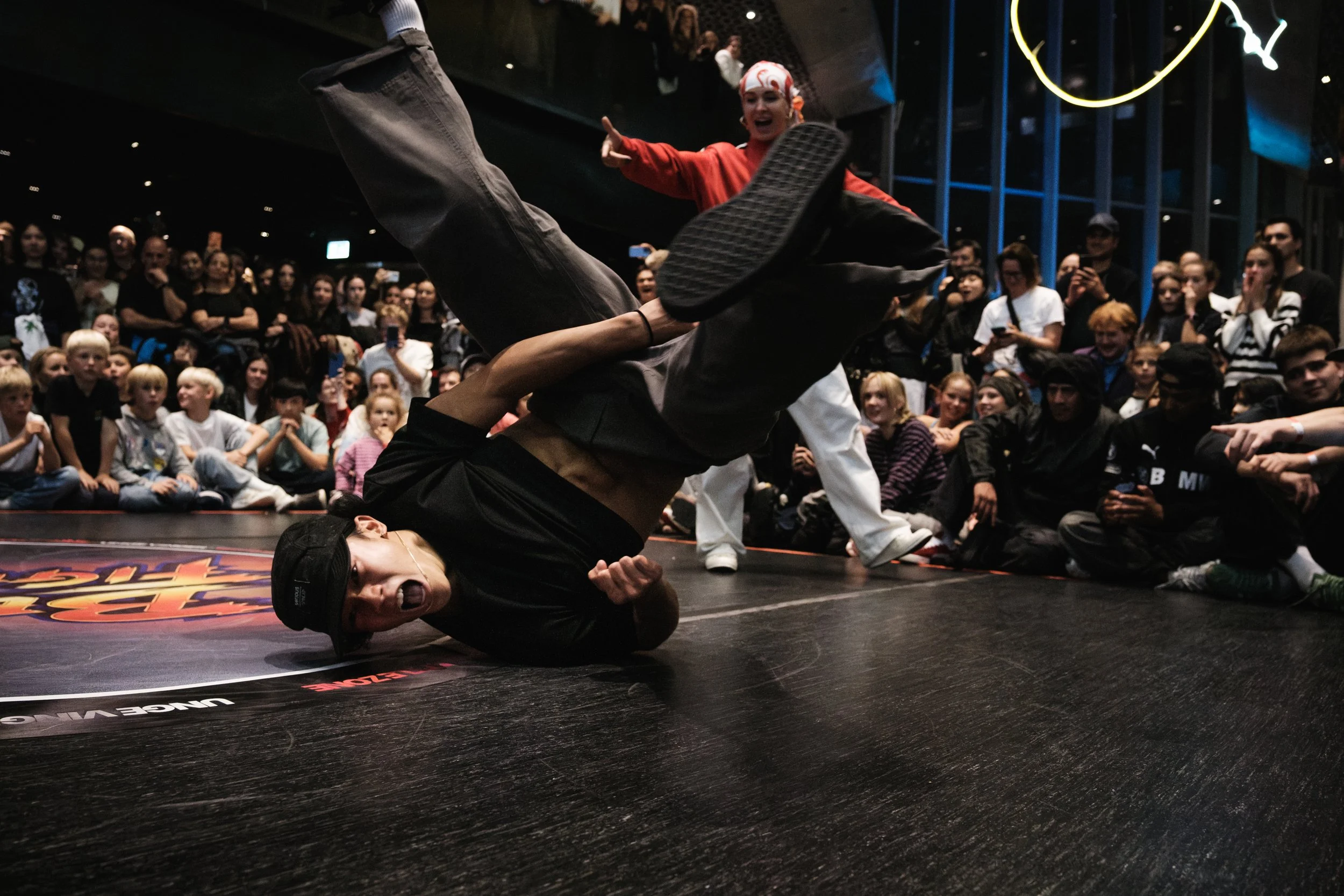
I started reaching out to anything that sounded interesting: motorbike competitions, rugby games, and eventually street dance. I'd always thought street dance looked really cool and loved watching videos of it. I found this small small street-dance club in Oslo and reached out, introduced myself and my portfolio, and was able to join them for their first event to get some shots and see how they work. Fortunately, they wanted me back, and it quickly grew from there.
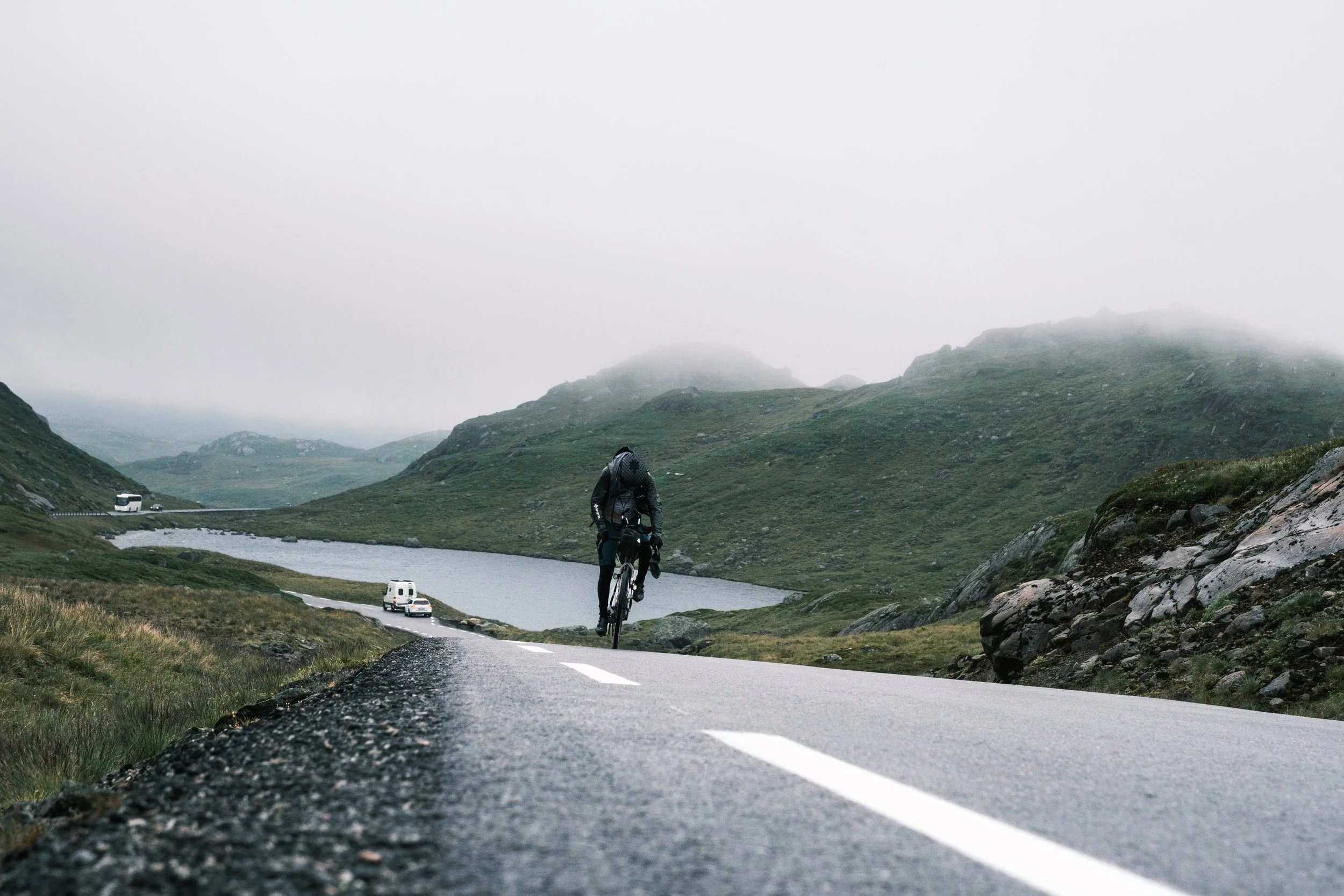
Moving to Norway also offered some great chances to photograph more cycling. I think I'm easily drawn to sports and events that get me outdoors, into nature, and often muddy, wet and cold. I like coming back from a shoot and really feeling it in my bones that it was a job well done. Similarly there, I found a few cycling events due to take place in the Norwegian mountains and simply messaged the organisers. For the Ultra Bike Marathon, I was lucky that the organiser was English, which I definitely think made the initial connection a little bit easier in a new country.
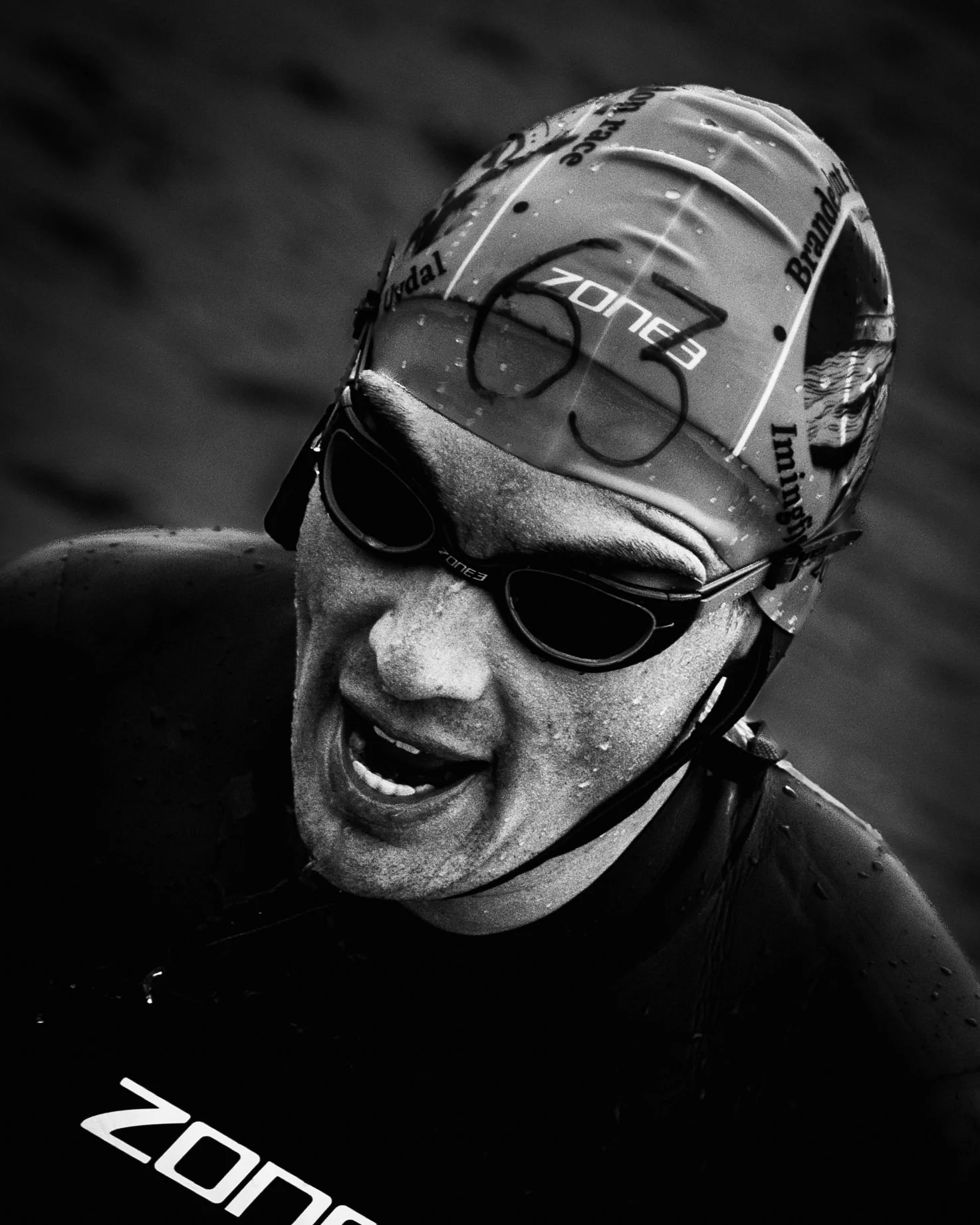
Photo: George Cherry
What was it like moving your photography business from the UK to Norway?
It was rocky, absolutely. It was hard work, and the language barrier combined with the complete lack of photography network didn’t make it any easier. I was lucky though, that after finishing my PhD, I had a few weeks off before starting my full-time job to spend all my time trying to learn the local photography market and make some new connections.
I'd gone from having quite a few contacts and getting frequent jobs in the UK to suddenly knowing no one and having people not even reply to me. Though, I quickly learnt that approaching potential clients work very differently in different places, and that there isn't really a specific formula for building a network; eventually you get a few contacts, then a few more, and it grows from there. A lot of it is simply reaching out, not giving up, and seeing what happens.
Though, the language barrier was probably the biggest challenge. It wasn't just communicating with potential clients where I needed it; it also affected all the practical sides of running the business. I had to learn a whole new accounting system, with all the codes and terminology, and everything was in Norwegian. That took ages to figure out, so there was a lot of cultural and contextual learning happening alongside the photography itself to grow my business.
Now, I've been here since August 2022, so it's been about four years, and despite the challenges I’m surprised by how quickly it all actually worked out. I thought it would take much longer to build up a network and get access to the types of sporting events I have been able to cover here. In that way, it’s very encouraging to see that the work has started to build on itself and that the determination paid off.
What is your favourite event you have photographed?
There are two contenders. The first was one of the early events I did with the street-dance group. They had a project called Aurora B, which they started last year, and I was there for the first one.
Their concept was to do a colour-themed competition, by painting the whole stage yellow, and made the event open to any kind of street dancer: hip-hop, breaking, or whatever style people brought. The battles also weren't for money, but for bananas and lemons. You danced with people you might never have met before, and the whole thing was designed to just be fun.
In the days leading up to the battles, they wanted portraits of everyone contributing to the event, and these portraits were all taken in that yellow space, with one sofa, and everyone could do whatever they wanted with it. I photographed everyone, and the images were then put together on a huge poster on the wall. That was the first time I'd seen my work printed, and it was amazing.
The other contender, and now probably my favourite, is the Ultra Bike Marathon from this summer. The riders started in the Netherlands and cycled 4,000 kilometres through Denmark and Sweden before reaching Norway and crossing the mountains to the west coast. I joined for the Norwegian section, starting at the Swedish border, and followed them for two weeks.
The race didn't have a set route. There were specific points the riders had to reach, but between them they could choose their own way. Fortunately for us photographers, Norway’s mountains only have so many roads, so we could somewhat easily make an educated guess about where they would go and where the best shots would be.
The nature of the competition also meant there wasn't much sleep. On some days, we had to get to the finish before the first rider arrived, sometimes around 11pm, then the second would come in at 1am, and another rider might arrive at 5am. One night that meant roughly three hours of sleep before getting up again for the next morning rider. You slept when you could and often didn't know where you'd be the next day, what you'd see or where you'd go; but I loved it.
The uncertainty was part of the experience and made it very thrilling, but what really made it memorable was the people I worked with. Going into it was slightly scary because I would be spending two weeks straight in the mountains with complete strangers and had very little personal time but, in the end, getting to know everyone involved in the event made the whole experience so much more fun.
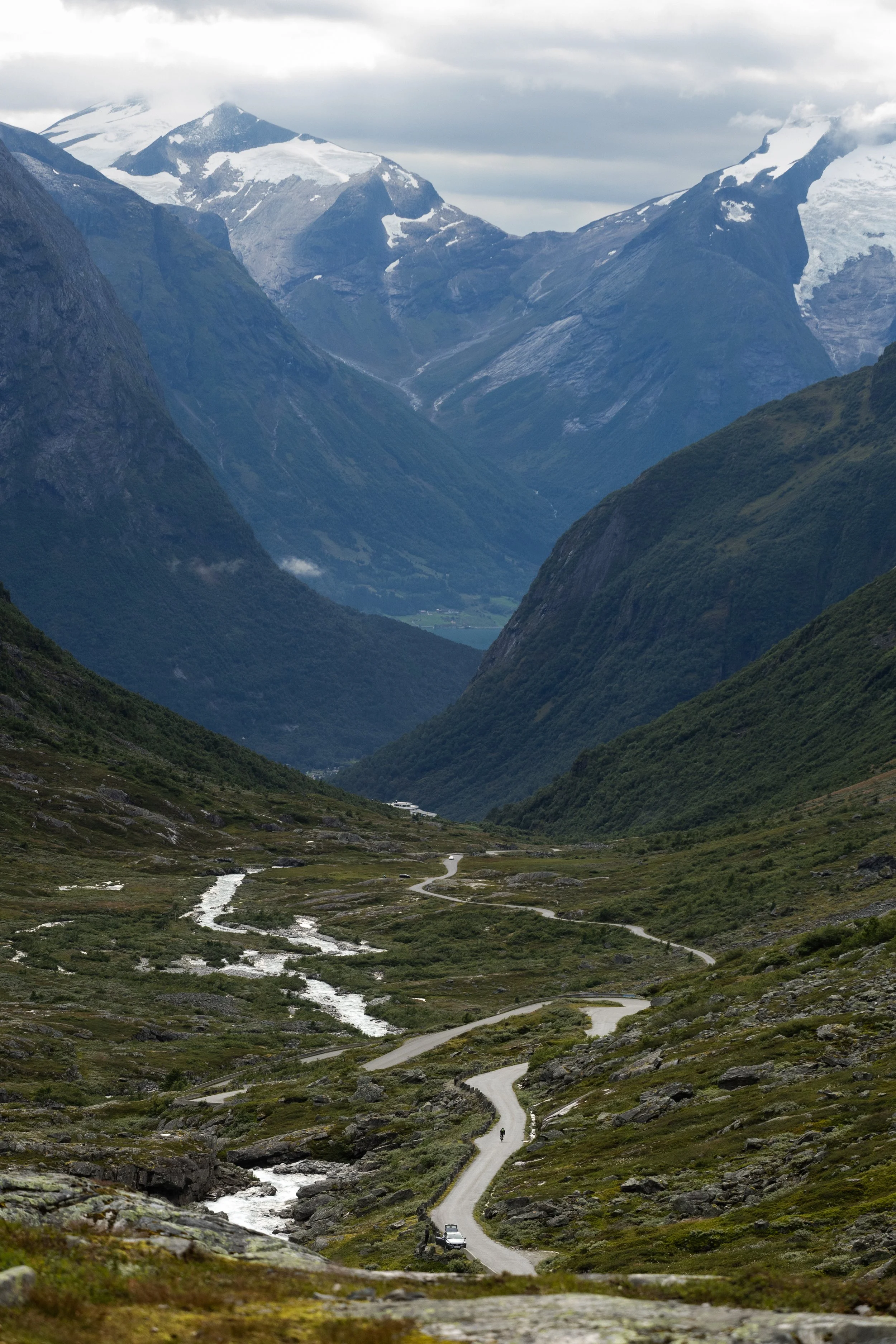
Photo: George Cherry
What is the dream event for you to cover right now?
Any kind of women's rugby championship would be the dream. Shooting for Scotland Women, especially, would be incredible. Apart from that though, I don't necessarily have one huge event that I’m working towards covering, because I think it’s easy to lose a lot of independence as a photographer at that level.
Even with women's rugby, which would definitely be a dream, it would be very different from running around the side of a pitch at the tournaments I'm used to now. There are more rules and more restrictions for photographers, and I think you lose some of the creative freedom and connection to the sport that comes with the smaller events. I love the small, crazy, random events I work on now, and I would happily continue working with them for a long time.
How do you continue to challenge yourself creatively in your sport photography?
I’m definitely exploring this at the moment with my dance photography. I've now learned it well enough that I start looking for new perspectives and more creative ways to portray the events, rather than just producing the standard shots.
There's another Aurora B project coming up, and this one is orange-themes, so I'm thinking about how I can make it different from the previous one. The events are always very dark, so getting the lighting right is already a challenge, but I also want to experiment more with long exposure. Though, saying that, the dancers move so quickly that I haven't quite figured out how to make it work yet.
Another idea I’m thinking about is attaching some form of lights to the dancers and see what that would do for the photos. I was considering getting some glow-in-the-dark bracelets or small lights, seeing if people want to wear them, and using them to create light-stream shots. I don't know yet whether it will work, but that's part of the challenge: finding something different and seeing what the camera can do with it.
I'm also trying to play more with aperture these days. In sports photography, I think there's a tendency to just put the lens at f/2.8 and leave it there, but where I can, I'm starting to favour f/4 again to bring back the location, context, and detail into sport shots. This is especially true for the work I do with cycling outdoors, where trying to get both the stunning mountain views and the cyclists in focus requires much higher aperture than I’m normally used to working with.
Any advice about photography you wish you knew sooner?
One thing you don't necessarily realise when you're learning photography is that taking the photo isn't the end of the journey. Editing can completely change an image, and it's one of the areas of photo work where you can really find your own style.
I remember a couple of years ago, taking a landscape photo somewhere in Scotland, on a loch, with the sun directly behind the scene. It was on a pretty poor camera, and I didn't have much experience. The mountain was completely black, so when I looked at the image, I thought it was awful.
Then I started playing around with it in post, just for fun. I pushed the shadows up and suddenly there was all this information in the image that I didn't even know was there. That was a real Eureka moment when I realised how much information a camera could actually retain, and how much you can work with that information in editing. After some more time editing, that ended up becoming one of my best photographs from that period of my life.
I've had the same thing happen more recently. I've edited something, tried an idea just to see what it looked like, and ended up thinking it looked great, even though the original photograph wasn't particularly good and I'd probably done a pretty poor job taking it.
I think it's very easy to look at photographs on Instagram and think, “That's amazing. My photos never look like that.” But there's so much happening in the editing, and you don't necessarily see that part of the process. Obviously, knowing your camera, the setup and the techniques are important, but they ultimately just give you a foundation and you don't have to be limited by what comes straight out of the camera. For me, that freedom in editing is a big part of what keeps photography exciting event after event.
This article was first published in PRISMA’s 30th Issue on the 27 September 2026.