

FOUR YEARS IN THE MAKING
An Interview with Photographer Louise Anderbjörk
Interviewed and edited by Amanda MacEachen
Meet the Photographer | Louise Anderbjörk
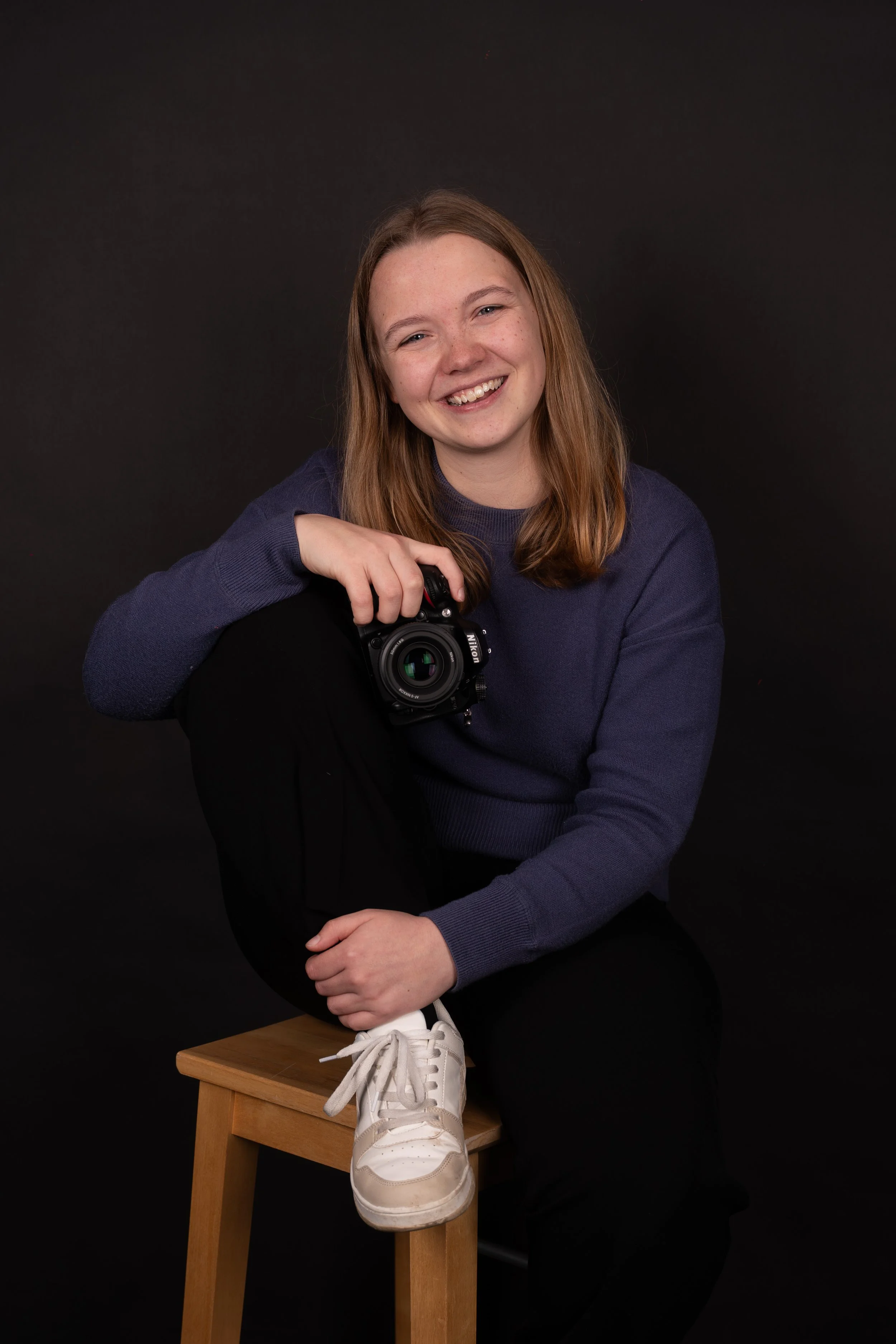
Louise Anderbjörk is our very own Editor-in-Chief, having founded PRISMA back in 2022. Since then, she has built this magazine from the ground up, growing the PRISMA into what it is today alongside a small team. Alongside her work with PRISMA, Louise is also professional sports photographer, working out of London and specialising in para sport, equestrian sport, and women’s football.
What was the inspiration behind starting PRISMA?
The whole thing started at university, during my second year, back in 2022. At the time, I was working for the main student newspaper, had been since first year, and really enjoyed the process of planning and designing a publication every week. However, our newspaper didn’t have much of a focus on photography. It was only one spread per issue, and this was also a reflection on the general lack of photography outlets across the wider student publication landscape of St Andrews, where I studied. The shortcomings of this became particularly obvious to me during my one-semester stint as the photography editor for this student newspaper I was part of, as I saw the interest that was flowing in from students wanting to showcase their photography, but without being able to offer them all a chance as our one-spreader was all the space I had to work with. So I saw a pretty big gap in the market, and started thinking about how it could be filled.
What really solidified these thoughts, though, was the experience of being granted accreditation to photograph the Royal Edinburgh Military Tattoo through the student newspaper I worked with. This type of coverage, of large international events outside St Andrews, was not something our student newspaper usually dealt with, not least due to the seemingly very low chances of being granted accreditation in the first place as such a small outlet, but something in me decided it was worth a go. ‘What’s the worst thing that can happen’, and all that jazz. So, when I received the news that our application had been accepted and went to photograph this spectacular show on the grounds of Edinburgh Castle, I had been given a real eye opener and a spark inside me was born. Before, I always thought you would have had to be a professional photographer for years and work for a national outlet to photograph these types of events, and now I realised that wasn’t the case. At least not always.
So, knowing this wasn’t the type of coverage our student newspaper focused on, but something I now had a newfound excitement to pursue, I started thinking more seriously about creating something that might possibly allow me to get to these events more frequently in the future and, more importantly, something that could also create a space for showcasing the amazing work of up-and-coming photographers in St Andrews and beyond that far too often goes unnoticed. So, I sat down with my pen and paper, friends, and coffees, and started to map out this idea, and that is the story of how PRISMA came to be.
How has PRISMA evolved in the past four years?
So we created PRISMA with the goal of one day covering bigger events, but what I didn’t realise was how quickly we would actually be able to get there. The Edinburgh Tattoo was obviously the main event that inspired me to create PRISMA in the first place, and realistically I thought it might take us 3-5 years of building the magazine until we would be granted accreditation to cover it ourselves. Still, sticking to my previous mantra of ‘what’s the worst that can happen’, I applied to cover the Tattoo with PRISMA the summer after we launched, so only six months in, and we were accepted! I really did not expect that and was over the moon, and then I think that success of gaining accreditation to a huge international event within a year of us starting out just spurred me on even more to to find other events that we might already be able to cover if we put ourselves out there and started applying. So, that is what we did, and I would say a big part of our evolution across these years is the wide range of events that we have been able to cover as a result.
Some of my personal favourites include the King’s Birthday Parade in London -Trooping the Colour - as well as the multiple five star international equestrian events I have been able to attend with PRISMA, including the Longines Global Champions Tour. For those who aren’t as much of an equestrian nerd as I am, this is like the top of the top of equestrian sport so for PRISMA to have been part of the accredited media there this summer feels really special. Equally, the rest of the team have also been able to cover some incredible events and concerts with our magazine over the past years, so we’re really getting to a point where we’re properly establishing ourselves as an outlet on the sports and events scene across the UK, which I am really proud of. But then, there are also the range of photographers we have been lucky to work with, which is arguably the much more important part of our growth. With this interview coning out, we celebrate 30 issues released, and as part of getting to this point, we have worked with just shy of 200 photographers from 38 countries across the world.
The amount of different stories we have been able to publish with the help of these creators are incredible, and their contributions that span genres and varying photographic perspectives is really what makes PRISMA unique as a magazine. There is always something new to read, and that is thanks to them. So, in short, I am very proud of where we have come as a magazine in the past years, and am incredibly grateful to everyone who made it happen.
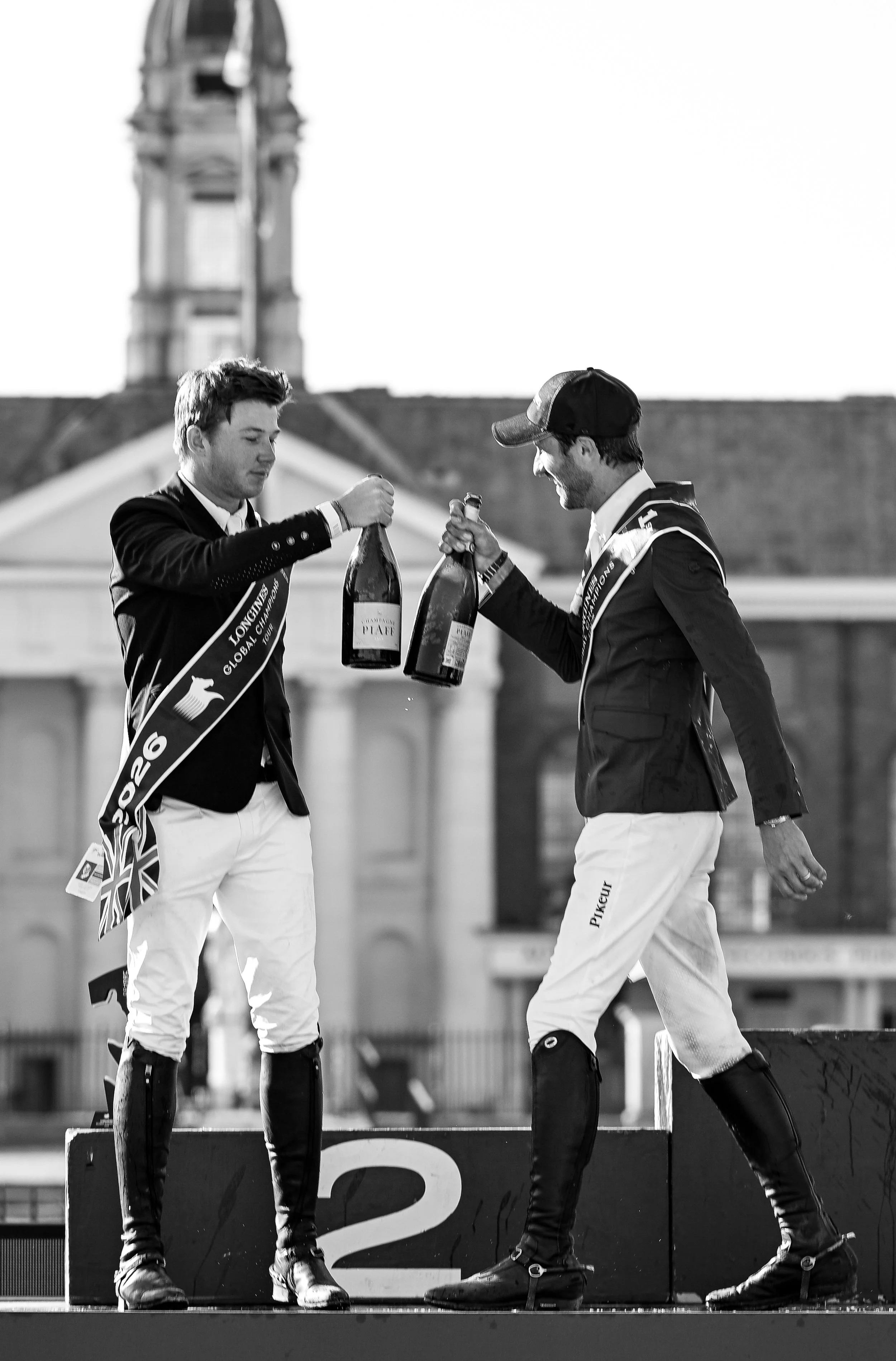
Photo: Louise Anderbjörk
What is the goal for PRISMA going forward?
From an editor’s point of view, the whole team, including myself, have always been volunteers and created PRISMA solely for the love of the game, so I think a big part of PRISMA going forward is to be able to continue giving back to my wonderful team who have helped run it for such a long time. Hopefully, this will mean seeing more exciting coverage from the events and concerts they are hoping to photograph, as well as seeing their newly launched editorial series continue to grow. For me, personally, a shooting for the starts goal going forward would be to cover the 2028 Paralympics in Los Angles with PRISMA. Realistic? Who knows, but one can dream. After all, that’s how we started out with the Tattoo back in 2022, so maybe.
In terms of the content we produce, this redesign of PRISMA now sees us produce four ongoing editorial series on different photography niches, as well as these interviews which we didn’t have before, so as an outlet I think we are slowly trying to evolve more into a multimedia hub for all things photography. This might see some additional formats alongside the magazine being added down the line, much of it is still in the planning stages, but working on that becoming a reality in the coming years is definitely a main aim going forward.
What has driven the creative vision for PRISMA?
There are two contenders. The first was one of the early events I did with the street-dance group. They had a project called Aurora B, which they started last year, and I was there for the first one. Generally, I would say it has been driven a lot by the editorial team’s own creative work and aspirations but also, at the end of the day, by more practical things like the logistics of running the magazine at any given time. In the early days of PRISMA, we were all full-time university students and and could only set aside so much time, so designing the magazine’s sections and layout in a way that ensured both high quality content and editorial time efficiency was key. At first, this meant monthly issues with shorter stories, but as time passed and some of the team members went into full-time jobs, this evolved into quarterly issues with longer stories which was easier for us to manage while still curating each issue with the engaged narrative and detail we wanted. In return, that change of structure has now allowed us to develop additional elements for the magazine over time, such as these interviews and our editorial series. So, a lot of it has been about being realistic in leading the magazine to adapt to our team of volunteers but also, in doing so, not seeing changing circumstances for PRISMA as a challenge but instead as a positive force for innovation in our work.
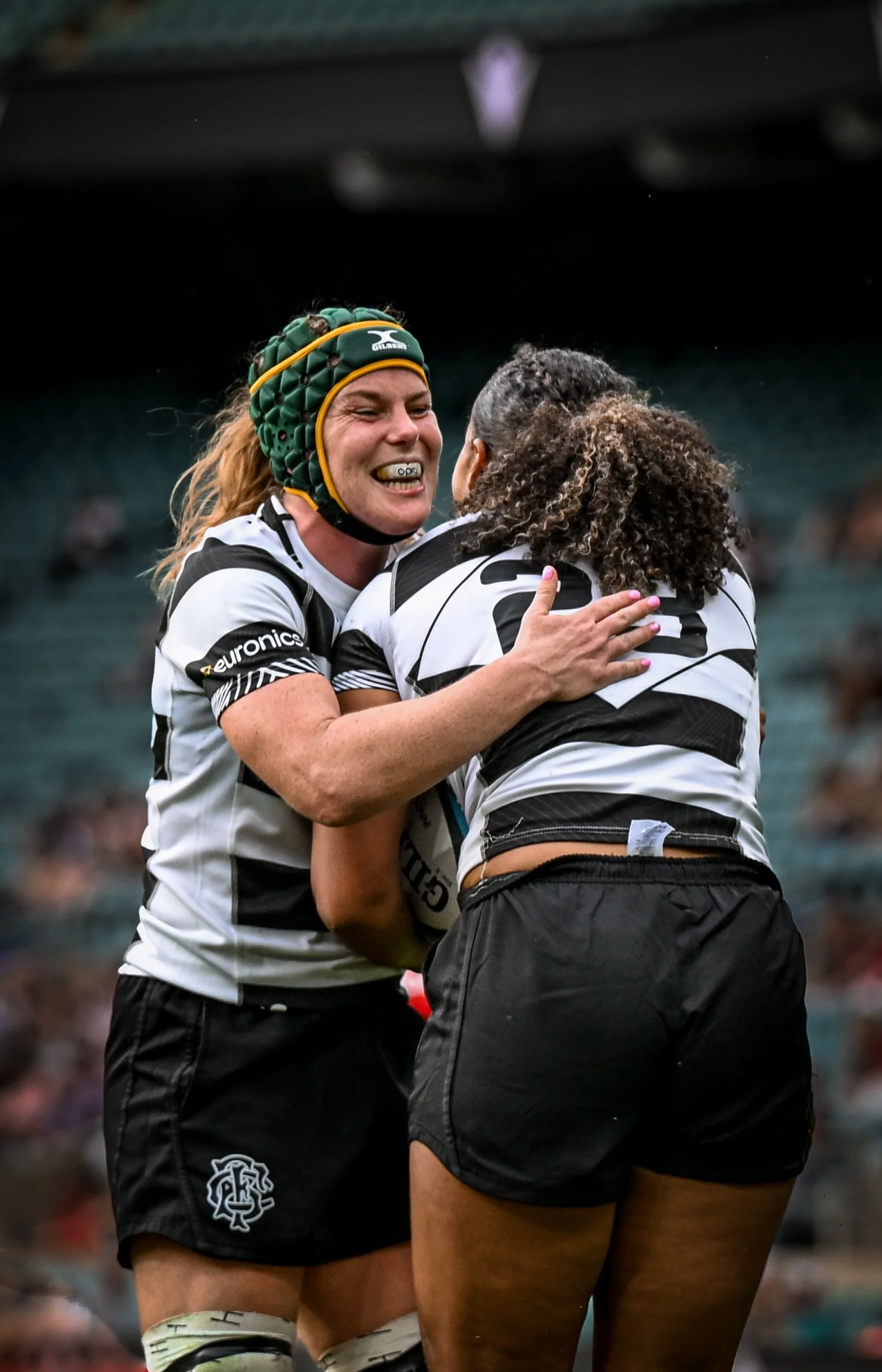
Photo: Louise Anderbjörk
How do you balance running PRISMA alongside work?
So much of it is thanks to my team. They are definitely one of the biggest motivations in making the competing workloads work out, and every one of them always put their all towards seeing each issue come together too. On top of that, there is of course the content we produce and the amazing photographers we work with, which is a huge motivation for running PRISMA and continuing to provide a space for showcasing their work. It’s a real privilege to be able to do that. Still, in the darkest depths of the British winters when running a magazine and balancing a full-time job on practically no sunlightfor months on end can feel like a lot to juggle, it always boils down to the support of my team and our shared passion for seeing PRISMA thrive and grow. We all care a great deal about our magazine and all want to see where it can go next, so yes, the team really is the glue that keeps it all together.
How did PRISMA’s ‘phototechnical’ focus evolve?
When we started PRISMA, the tagline we used to pitch it with was its focus on ‘bridging the gap between professional and amateur photographers’, as one of the biggest challenges with the photography industry is getting that first foot in the door and connecting with others to share your work with and learn from. So, including that ‘phototechnical’ element quite quickly became a natural part of our narrative, to encourage every story to explain the reasoning behind the shots, how they use the camera to tell a specific story and convey different contexts, all to create a platform for photographers to learn from other photographers across different genres.
This focus on shared inspiration between creators has also made it so interesting to produce PRISMA as an editor, as I’ve had the chance to read so many fascinating articles filled with individual insights on shoot-specific set-ups, camera settings, and editing processes that I would likely not have come across otherwise. PRISMA has effectively collated conversations with hundreds of photographers from all across the world, and this is something we’re incredibly proud of and hope has helped a few readers and photographers out there with ideas and inspirations too.
What is your favourite topic to cover as an editor?
Personally, I love producing coverage on para sport, and I am really excited that PRISMA now has a whole editorial series fully dedicated to para coverage which allows me to work with it much more frequently. When I coached a wheelchair rugby league team up in Edinburgh, I saw how little media coverage there is of disability sport across the UK in general, so to be able to use my passion for sports photography and travel around to meet with para teams across the country and tell their stories has been fantastic. I very much look forward to introducing our readers to more sports and athletes in the para world going forward.
Any advice on how to start your own magazine?
The main thing, and I know this will sound cliche but it’s true, is to just do it. There will always be so many more reasons in your head not to do it than to do it, and you might think that ‘I don’t know enough about this yet’ or ‘I don’t have enough budget or time enough for that’. This might all very well be true, and I dare say a lot of it was for us when we started PRISMA, but there will always be a workaround solution somewhere for you. It can feel really daunting creating a magazine of your own, and you might be worried about what other people might think, but much more often than not people will be really excited and supportive of you trying to create something new and different.
So, if there is someone out there who is thinking about starting their own magazine, I would say just give it a go. It’s a cool and fun thing to do! And most importantly too, use your own network, your friends, family; anyone that would be interested in getting involved when first looking for editors, writers, readers - everything. If you stay persistent and creative, it will all blossom from there.
What excites you the most about the future of PRISMA?
I think it would be continuing to grow on the new format we have developed and, on a personal level as the editor of our para sport feature, I’m excited to strengthen our para coverage even more and follow more teams around the UK and maybe even at international competitions. I am excited to work towards expanding the scope of what PRISMA has to offer on the multimedia front, and to continue collaborating with photographers and writers from all around the world and share their and stories. -
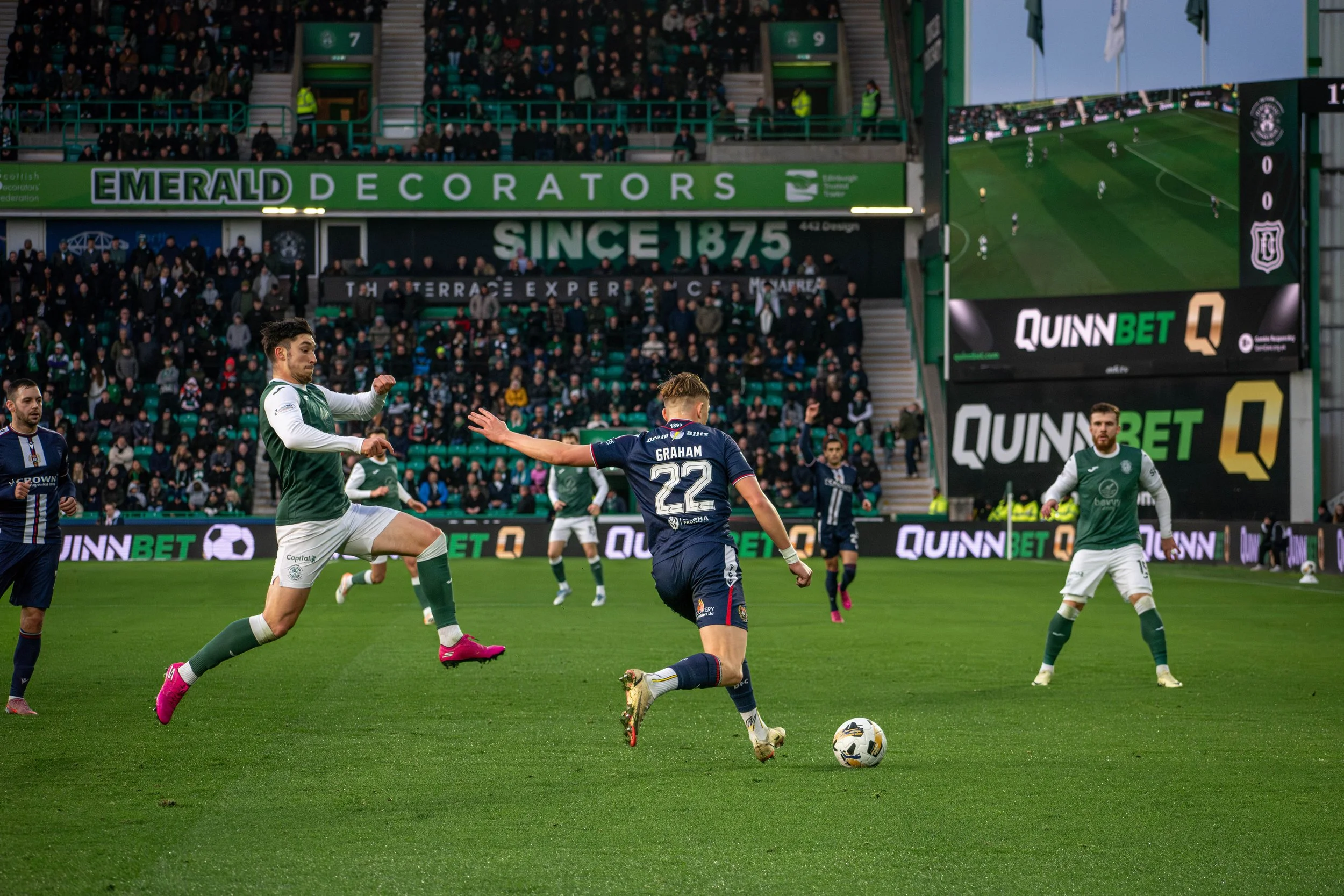
This article was first published in PRISMA’s 30th Issue on the 27 September 2026.