
BARBARIANS V WALES AT TWICKENHAM
Louise Anderbjörk
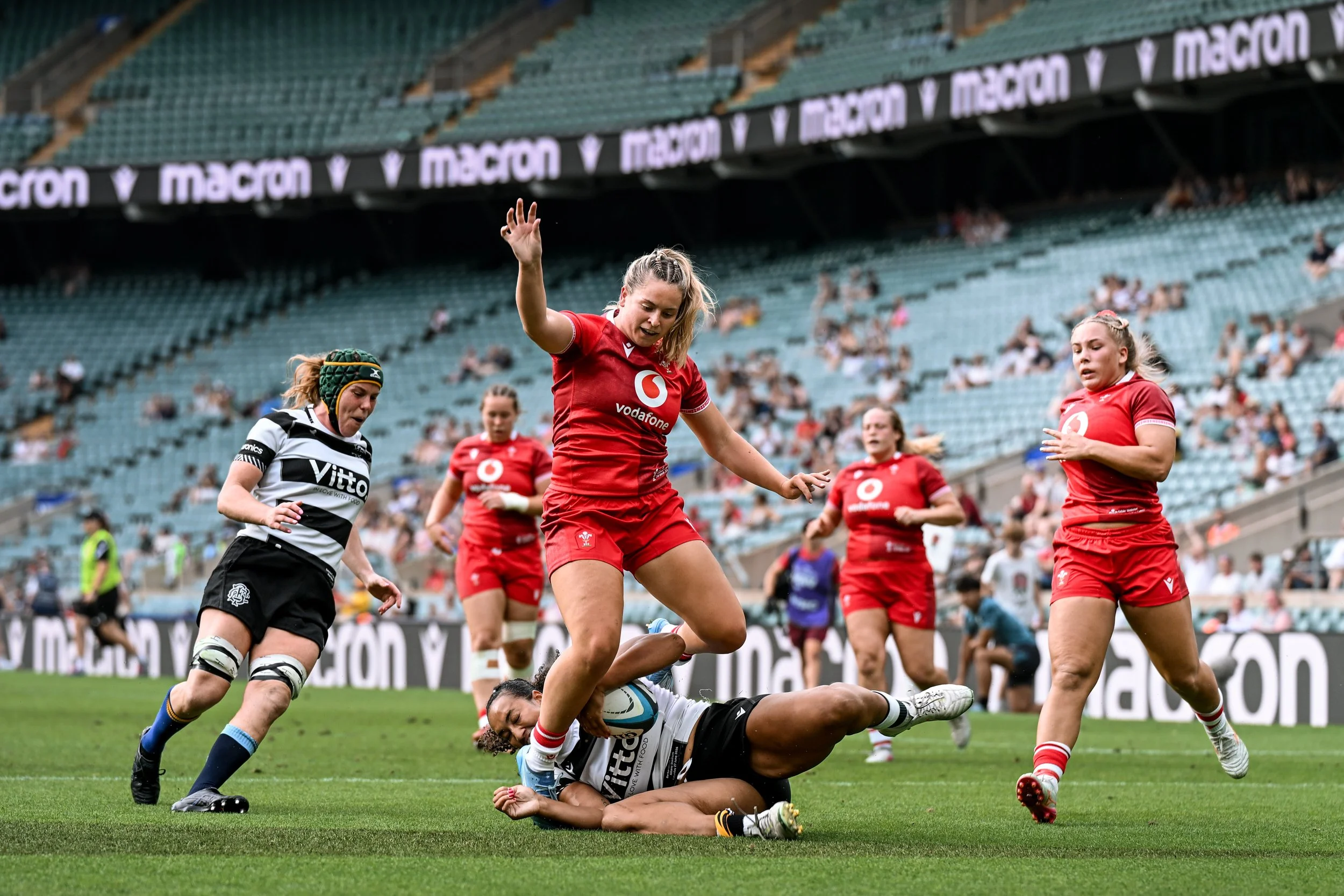
On 27 June, Allianz Stadium, Twickenham hosted a special Barbarians double-header against Wales, bringing together two international fixtures at the home of England Rugby. While Barbarians matches are always unique, bringing together some of the world's best players for an exhibition of entertaining rugby, this year's event carried extra significance as it marked the final professional appearances of two hugely influential players. George North pulled on a Barbarians shirt for one last time after an international career that saw him earn 121 caps for Wales, while former Spain captain Laura "Bimba" Delgado also played the final match of a career that has helped shape women's rugby both in Spain and across the world.
My reason for being there centred around Bimba. She had invited me to photograph her final game, making the women's fixture my priority for the day. However, with accreditation covering both matches, I arrived well before the men’s 2pm kick-off to settle into the stadium and make the most of the opportunity to cover the first game as well. Whenever I'm photographing at a venue like Twickenham, I like to arrive early enough to walk around the pitch, assess the available shooting positions and get familiar with the lighting before play begins. With two matches scheduled several hours apart, I knew the conditions would change throughout the afternoon, making those early observations particularly useful.
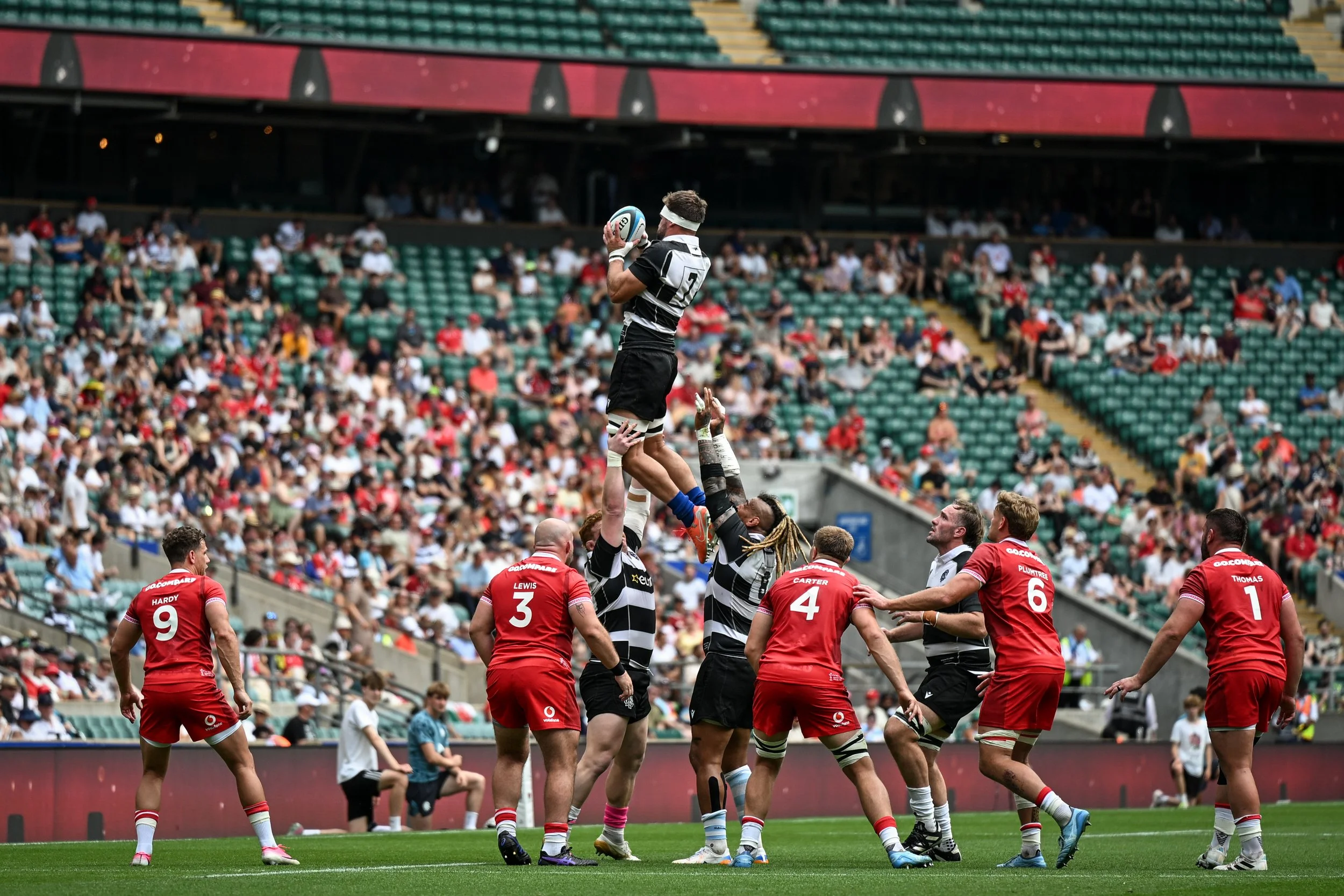
Photo: Louise Anderbjörk
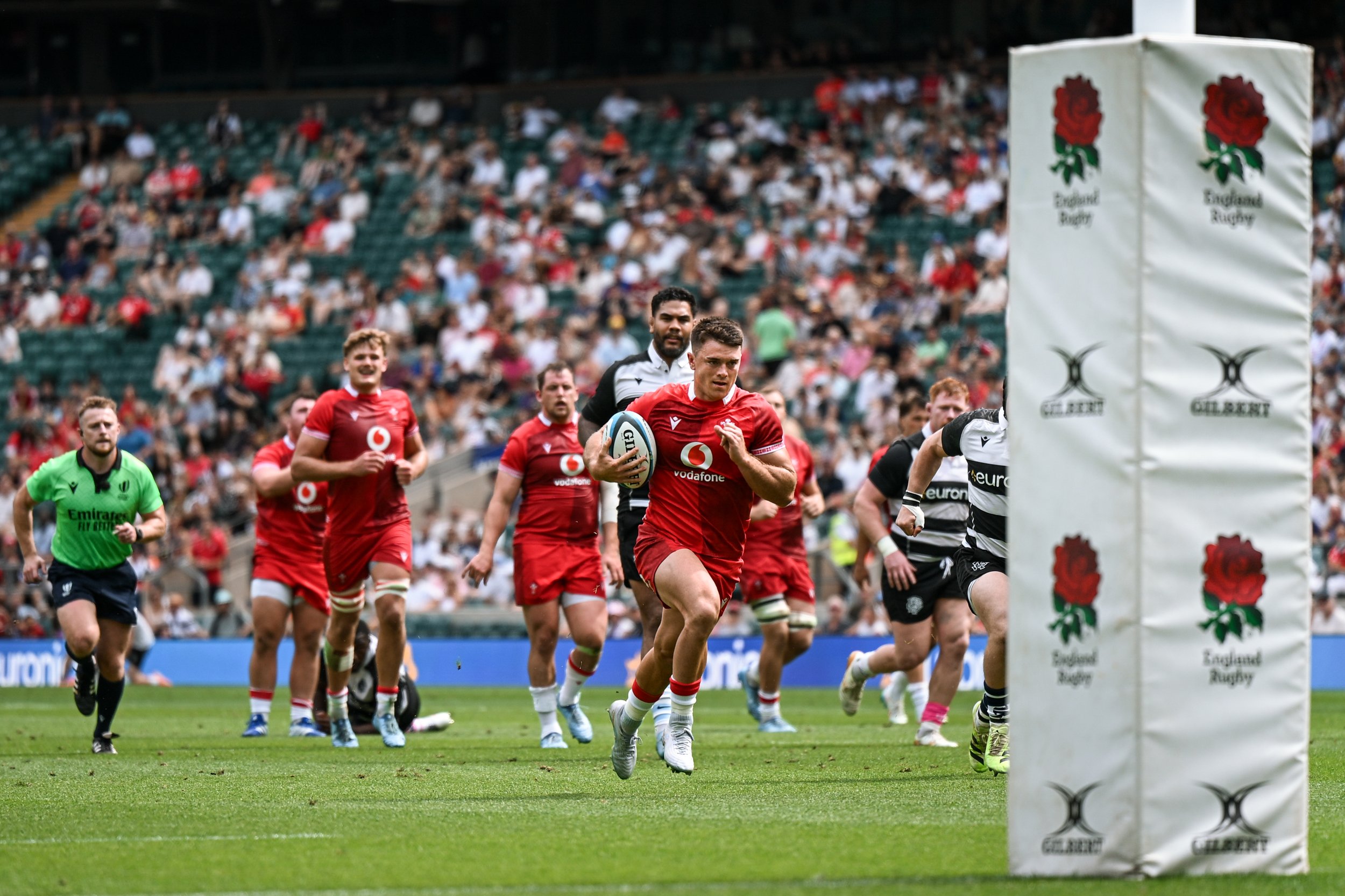
The men's fixture also provided the perfect opportunity to ease into the day. Wales started strongly through Kieran Hardy before the Barbarians responded with a try from Vincent Koch, and although the home side produced flashes of the attacking rugby they are famous for, Wales gradually built control of the game before eventually running out 33-31 winners. Rather than staying rooted to one photography location during this match, I tried to work with different backgrounds and shooting angles, balancing wider images that showcased the scale of Twickenham with tighter action shots that captured the intensity of individual moments. It also gave me the chance to photograph George North's farewell, knowing that some of the most meaningful images would come after the action rather than during it.
Following the conclusion of the men's match, attention quickly turned towards the women's fixture. Although I had followed Bimba's career for some time, spending the afternoon documenting her final appearance carried a different level of responsibility. A former Spanish captain, she has represented her country on 53 occasions, captained Las Leonas at two Rugby World Cups and built a career spanning Spain, France, England, New Zealand and the United States. Along the way she collected eight Rugby Europe Championship titles, two Premiership Women's Rugby titles, a Farah Palmer Cup, WXV3 and an Allianz Cup. Her nickname, "Bimba", dates back to her very first match in Cádiz, where spectators shouted it every time she charged into contact with the ball, and it has remained with her throughout a career defined by her physical style of play and infectious personality.
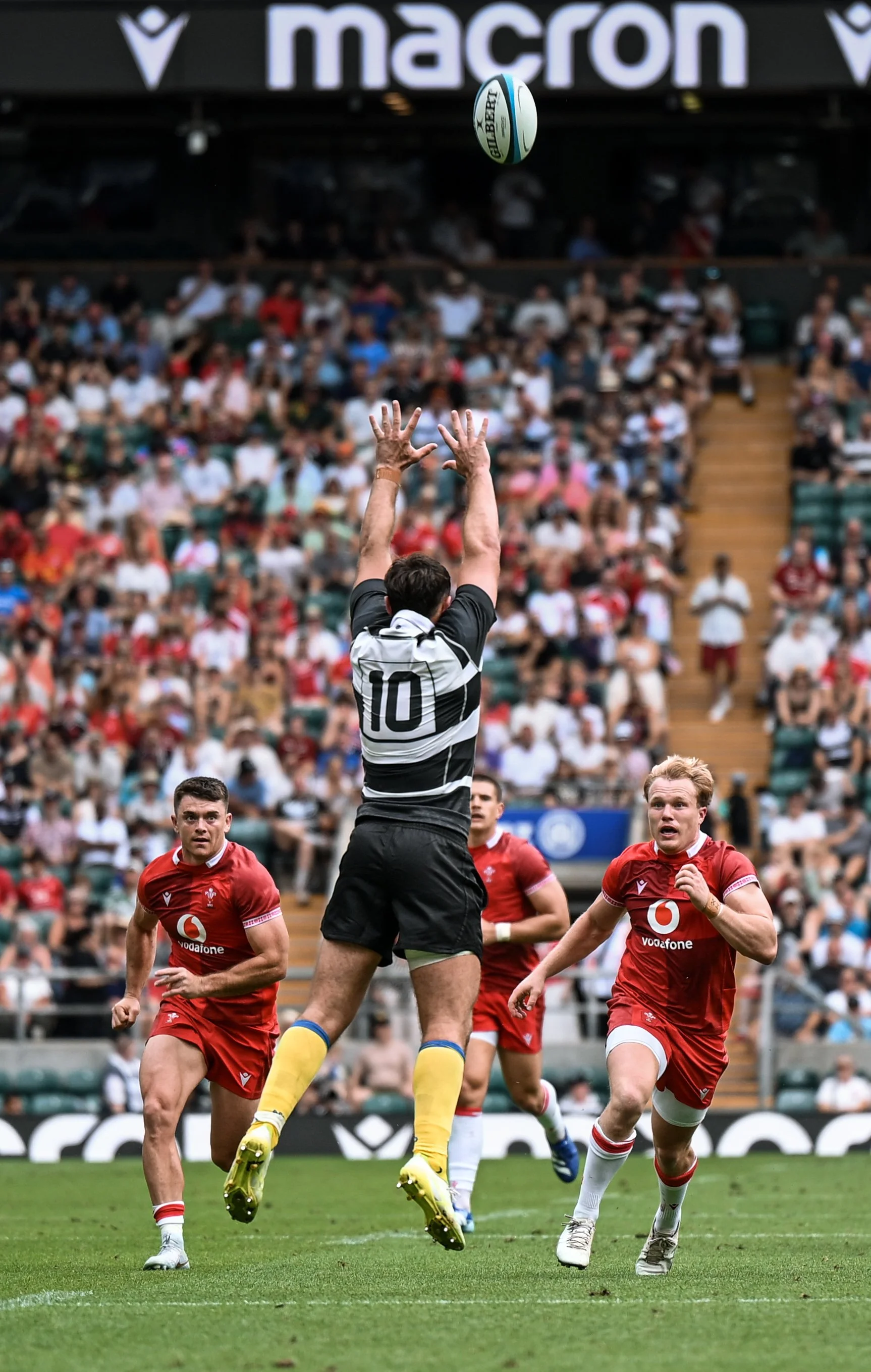
Photo: Louise Anderbjörk
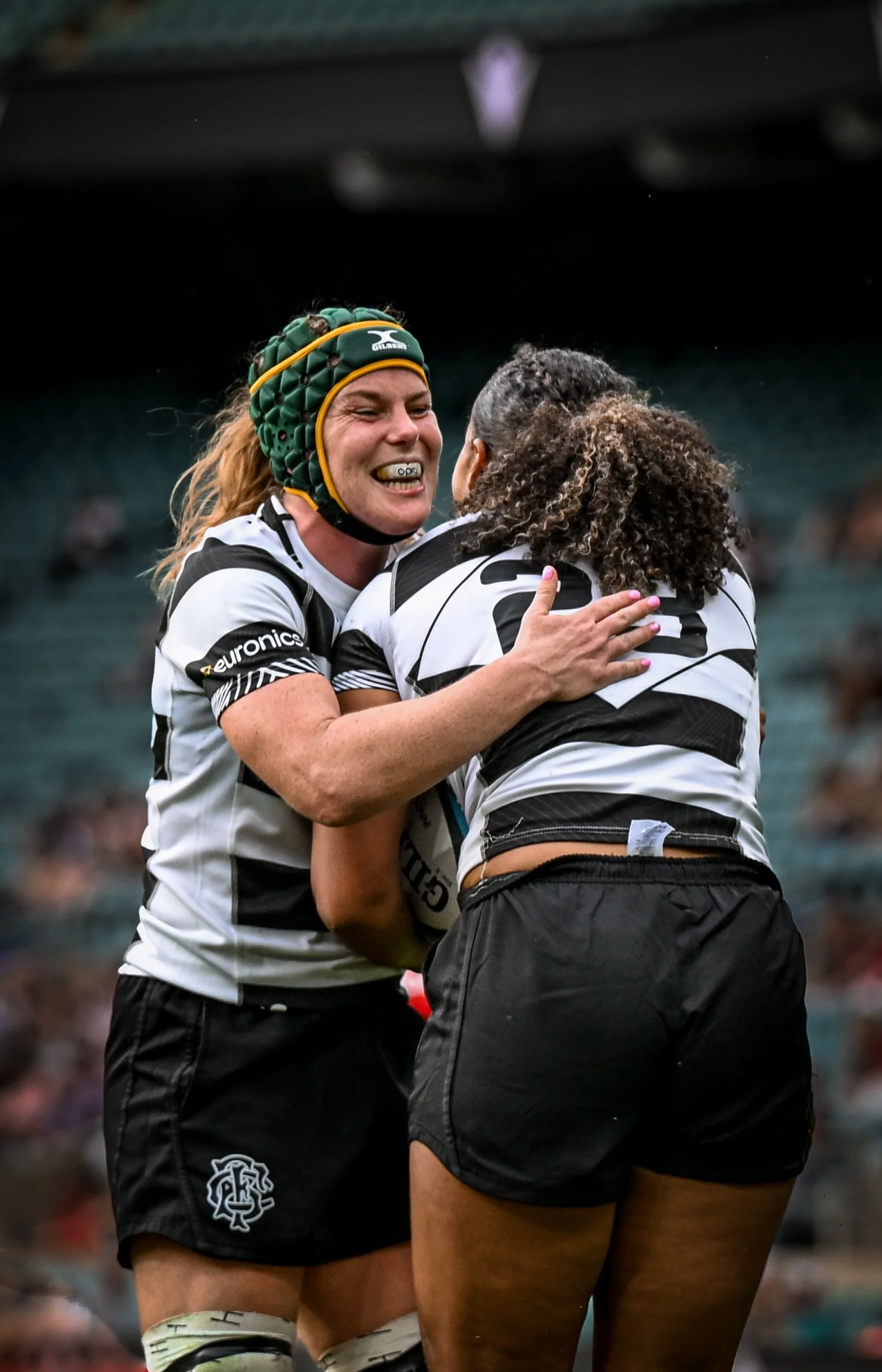
Photo: Louise Anderbjörk
The women's game itself remained competitive for much of the afternoon before Wales eventually pulled away to record a 34-17 victory, securing their first win in almost a year. While it would have been easy to focus solely on the action, I found myself thinking more about the wider story unfolding around the match. Knowing this would be Bimba's final appearance encouraged me to look beyond the obvious tackles and carries, instead watching for interactions between teammates, conversations during stoppages and moments that reflected the occasion itself. These are often the images that tell a stronger story than the action alone, particularly when covering a player's final game.
As the closing stages approached, I also started thinking ahead to what would happen after the final whistle. Rather than remaining in my usual position for the final phases of play, I moved closer to where I expected the post-match celebrations to unfold, making sure I was ready as soon as the game came to an end. It proved to be the right decision. Within moments, teammates, coaches and opposition players all made their way towards Bimba, sharing hugs, conversations and photographs as everyone took the opportunity to congratulate her on a remarkable career. Standing just a few metres away, it was impossible not to appreciate the respect she has earned throughout the game. Those genuine moments of emotion were exactly what I had travelled to Twickenham to document.
Once I arrived home, the final part of the assignment began: working through hundreds of images from almost seven hours at the stadium. Narrowing such a large selection down is never straightforward, particularly after covering two matches, but it reinforced something I have learnt from photographing sport over the past few years. The strongest images are not always the biggest tackles, the highest jumps or the winning tries. Often they are the quieter moments that reveal the human side of sport. Twickenham provided plenty of outstanding rugby across both matches, but the photographs I know I will remember most are those that captured the end of two extraordinary careers and the respect shown to the players who had given so much to the game.
This article was first published in PRISMA’s online edition on the 30 June 2026.