
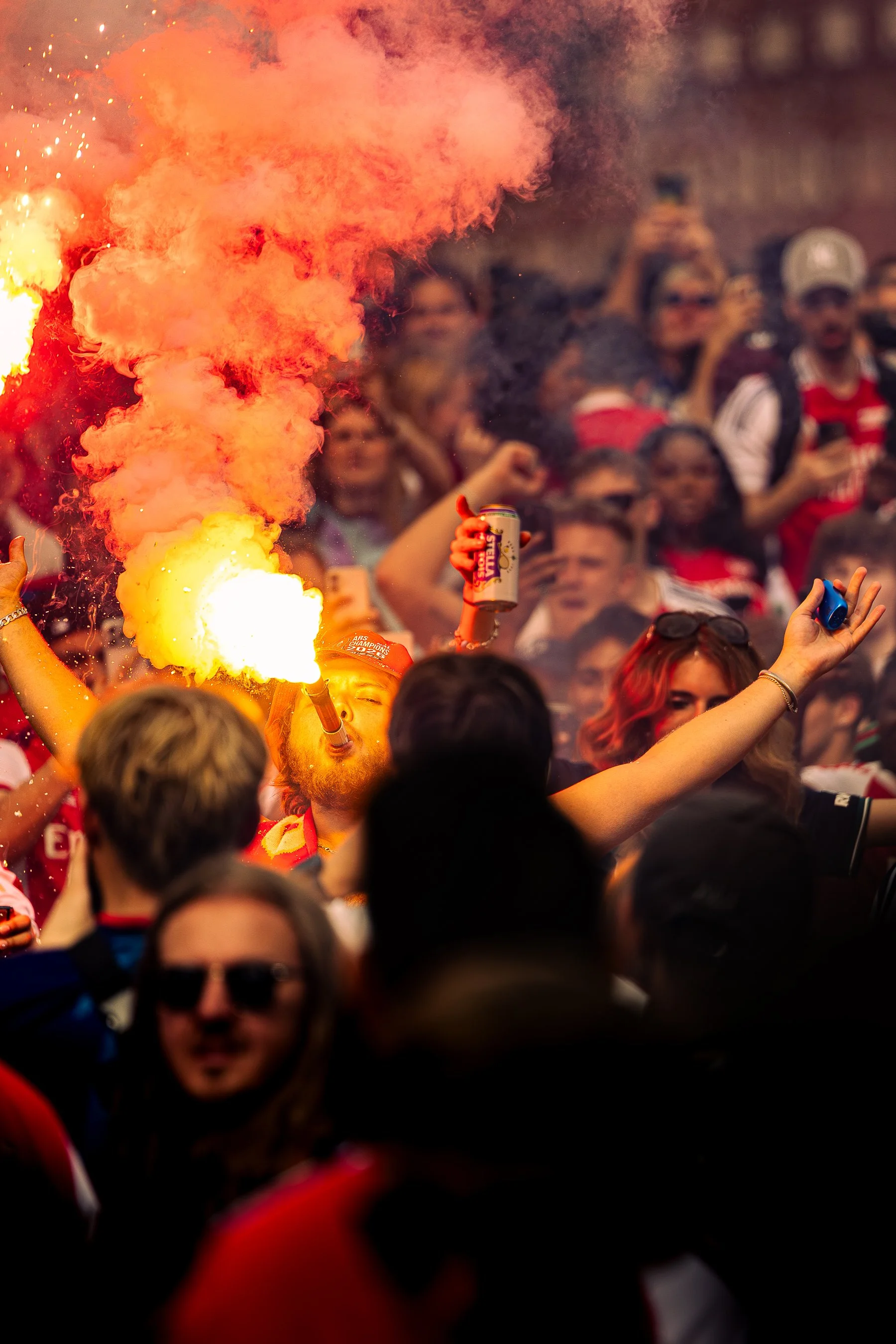
A STORY ACROSS GENRES
An Interview with Photographer Dylan Clarke
Interviewed and edited by Louise Anderbjörk
Meet the Photographer | Dylan Clarke
Dylan Clarke is an up-and-coming photographer based in London, currently specialising in sports photography but with a wide background in street and event photography. His work focuses on bridging genres to create unique perspectives, with candid portraits being one of his favourite formats to tell stories and reflect emotions across the world.
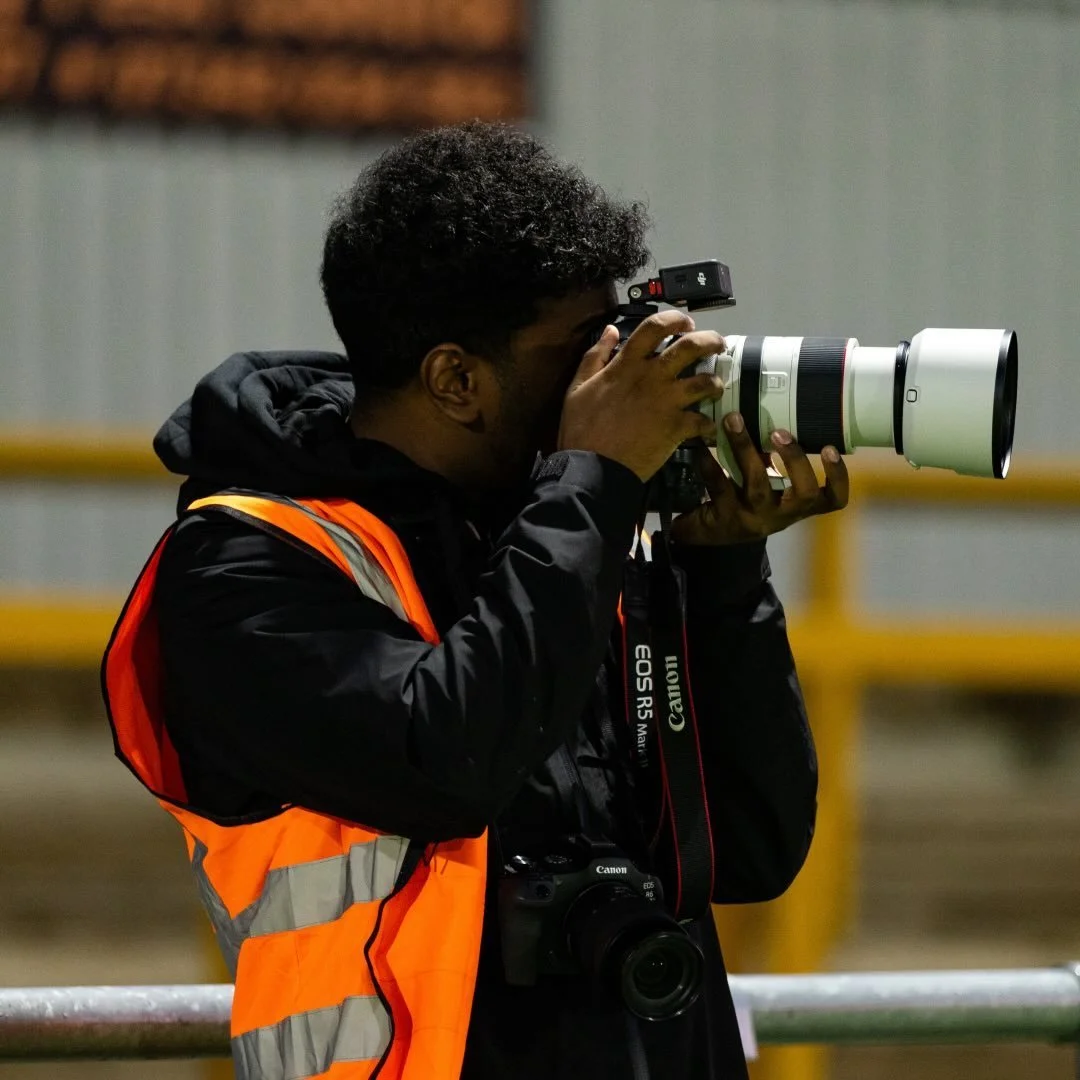
How did you first discover photography?:
My earliest memory of photography goes back to when I was a child, playing with my parents' disposable cameras that they always had around. I loved looking through the negatives, holding them up to the sunlight and trying to make out the pictures. Though, I would say it took me until my later teenage years to really fall in love with photography as an art and become as obsessed with cameras that I am today. At that time, I remember thinking that any camera with an interchangeable lens was a high-end professional camera, and when I saw my uncle using one at a family wedding and getting some great photos, I knew I wanted one of my own. So, I asked for one for Christmas and didn’t get it. Instead, I got a point-and-shoot bridge camera, which slightly disappointed me then, but now, looking back on it, I’m incredibly grateful for with how much it helped me shape my early understanding of composition and framing.
When I finally got my first DSLR, a Canon 1200D, I was over the moon, but also quickly found myself quite intimidated by all the new settings, and especially manual mode. So, like many others, I stayed in the safe zone of automatic for quite some time, but I still remember taking my first pictures with that camera and being absolutely amazed by the quality. From that moment on, I was hooked, and I started teaching myself everything I could about cameras to grow my confidence and creativity as a photographer.
How did you find military photography as an early niche?
Even if I now focus almost exclusively on sports photography, military photography absolutely came first. I found a lot of early inspiration in my family’s background in the army, and I wanted to use my newfound passion to help document and share those stories of people serving our country that can sometimes be forgotten. Then, I think my creative eye was also drawn to the grandeur of military occasions, which often makes for some very unique and powerful photos. The details on the uniforms, the history and traditions, the regal horses; you can’t really get that anywhere else. I’m also lucky to live in London, and have Buckingham Palace and Horse Guards Parade right on my doorstep, so I think that definitely helped me continue growing in the niche as well, simply by maximising what I had access to in my closest surroundings.
What later got you in to the world of street photography?
Well, it all happened by accident really, on one of my work trips as a cabin crew member. We were flying to Hong Kong, where I had never been before, so I decided to bring my new camera with me. We landed late, around midnight, but I was determined to test out my new kit, so I headed central straight from the airport while the rest of my crew went to sleep. The hustle and bustle and moving lights of the city was quite difficult to manage at first, but soon I realised that it was just the push I needed to, through trial and error, start understanding how to properly use my camera settings.
What made it even more special, was the incredible community of street photographers I bumped into. They were all out chasing the same iconic city shots but were also so friendly and supportive towards me and each other, and that inspired me a lot. If I had started out with street photography in London instead, where someone would probably have told me to put my camera away rather than help me, I might not be shooting today. So that’s just to say how important it is to find a positive and supportive community as a creative, especially when you’re starting out; and, again, to make the most out of the opportunities you find in your everyday life.
With my work, even when we only have 48 hours or so in a place and I’ve been flying for 13-14 hours straight, I still make an effort to head out with my camera as soon as I arrive, no matter how tired I am, and just let the city hit me. Sometimes I have specific shots planned for the city I’m heading to based on some inspiration I’ve found online, but most of the time I just walk the streets and see what speaks to me. I love that about street photography: you never know what will turn up. This taught me a lot early on about always being ready for the action, both mentally and technically with your camera, and that’s something I have really carried with me into the work I do now as a sports photographer.
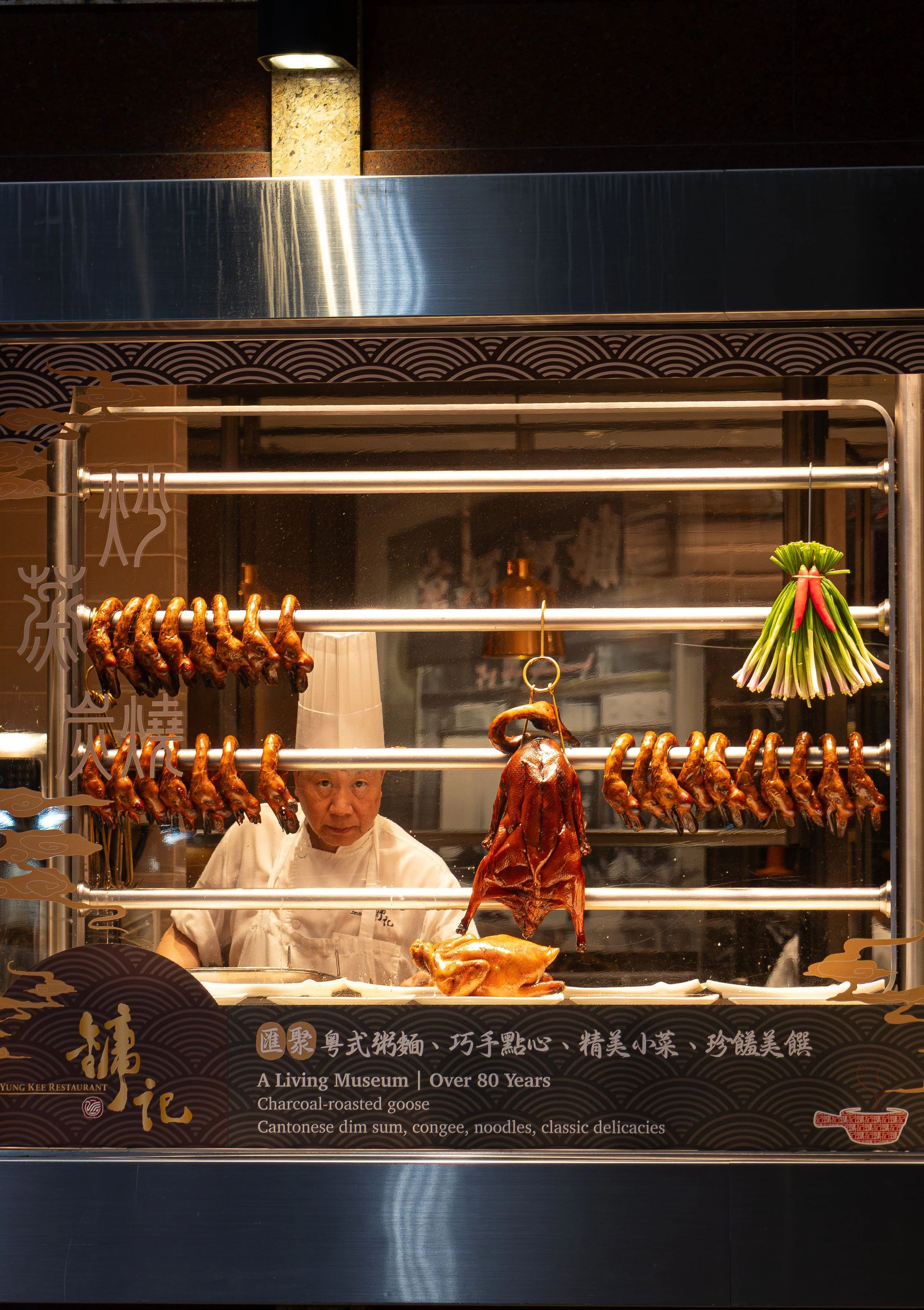
Photo: Dylan Clarke
How did you find your way into sports photography, and what drives you to continue with it?
Again, I’ve got work to thank for a lot here. Last year, when we were in Abu Dhabi, we were lucky enough to be able to attend the final Formula 1 race of the season. When the race had finished, we saw cars continue going round the track and we realised that they were doing their post-season testing. We begged the people at the track desk to let us in and, somehow, they said yes, so we got to see all the Formula 1 cars up close.
However, when we were down there, I realised how many cool shots I could have gotten if I had brought my camera, but of course that was the one day I left it at the hotel. A year later, I still regret it, and now I take my camera everywhere. But that’s when it all came together in my head, that I could combine my interest in sports with my interest in photography, and this was only a week after my first encounter with street photography back in Hong Kong, so I had a very steep entry curve going on at the time.
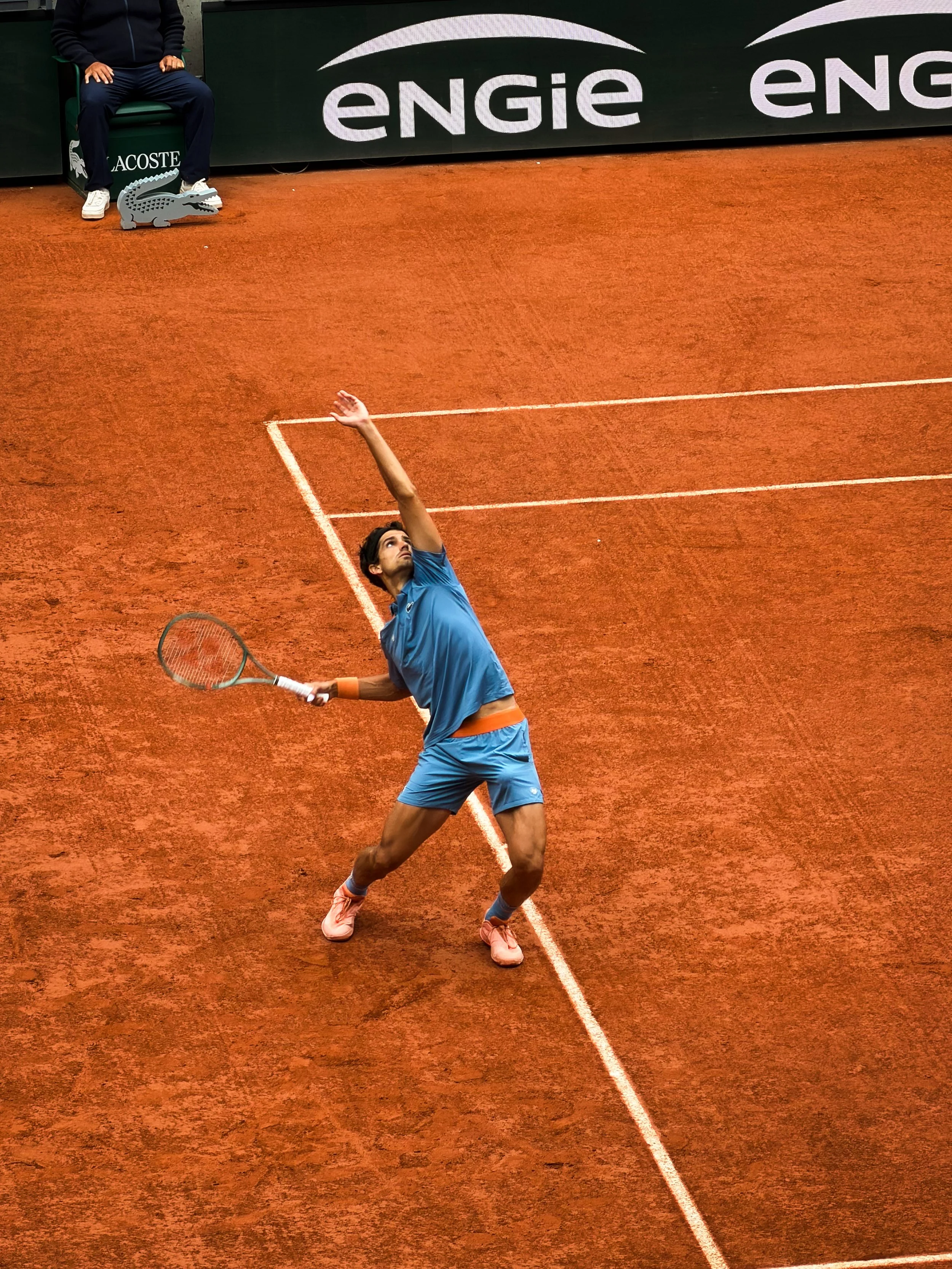
When I got back home, I immediately started saving up for a longer ‘sports lens’, and by the time the new season started again, I had got my kit and a local football club, Wealdstone FC, was looking for volunteers, so I joined their team of photographers. I started by shooting their pre-season and haven’t looked back since. I guess that’s what happens when you combine your two biggest passions into one. I just love capturing the emotion of sport. The interactions between players, the energy among the fans, the highs and the lows; there is nothing like it and I will do everything to stay in this line of work for as long as I can now.
What inspires you to focus on candid portraits across all genres?
It’s funny, when I started posting my work, a lot of people would leave comments saying ‘what a lovely candid shot’, and I honestly had no idea what it meant. It took me a while to realise what I was doing. I think that tells you a lot about the intuitively candid nature of street photography though, which, without knowing it, shaped me to always look for those quieter moments.
When people are in their natural element, unaware of the camera, they won’t be posing. They will show you the true version of themselves in that moment, and that’s very powerful. Professional street photographers say that as soon as someone sees the camera, the shot is gone, and while I don’t fully agree with that I definitely think you lose some of that raw emotion. That’s why I love bringing my candid street photography style into the sport coverage I do, as it uncovers stories and moments with both athletes and fans that I would otherwise have missed if I was just on the look out for striking action shots.
What other lessons do you bring from your background in street photography into your work in sport?
There are so many things I picked up as a street photographer that have shaped the way I work with sport today, both in terms of the technical camera work as well as my creative eye. Street photography taught me how to come prepared as a photographer for any moment. You were always thinking ahead and prepping your camera settings to not miss that split second shot on the bustling city streets, and it’s the same in sports really.
All it takes is a couple seconds too many figuring out the shot you’re looking for or the settings you want to use, and you might have missed a goal or a red card that you will not be getting again. In that sense, street photography was a great place for me to start as it taught me very early on how important it is to know your camera settings inside and out and to plan what you can ahead of the shoot to never be caught off guard when a key moment unfolds.
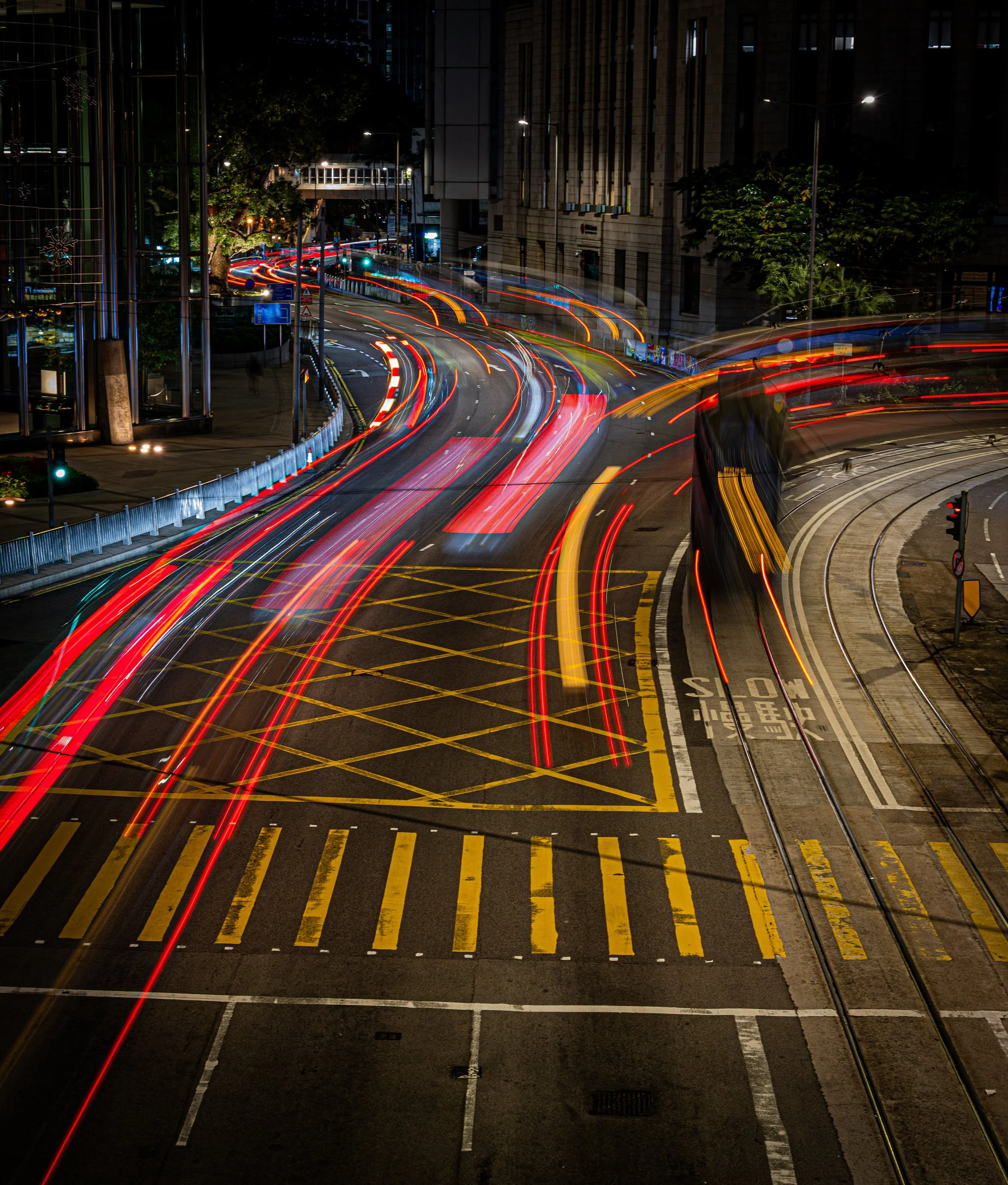
Photo: Dylan Clarke
Do you have a favourite image from your career so far?
It’s definitely one of my early images from Hong Kong. I got two shots there that I’m still very proud of, and the fact that they were taken on the trip where I properly fell in love with photography too makes them extra special.
The first one is of a chef working in a Cantonese street kitchen. I had framed the photo very carefully and was patiently waiting for him to look up to the camera. I know I said it usually ruins the shot if they see the camera, but I had a feeling this one would be an exception, and when he finally looked up and locked eyes with me, I was proven right. The shot turned out so sharp.
The second is my first ever long exposure light trail. I came across this car crossing on my Hong Kong evening stroll and saw so many photographers with tripods standing there. At first, I didn’t understand why, and then I realised they were all waiting for cars to come flowing through the crossing to get some stunning light trail shots. I tried to replicate what they were doing through trial and error, and ended up getting one of my favourite photos to date. It was such a cool experience.
What are you hoping to explore next?
A short-term personal goal is to photograph American football. I just find everything about it, from a photographer’s point of view, so cool; the atmosphere, the fans, the details you can get in the action shots with players’ eyes through their helmets. It would be great.
Long term, I would love to get the opportunity to cover a game in a big stadium like Wembley. I know good images can come from anywhere, but there is something special about having thousands and thousands of fans around you, not only as the backdrop to your action shots but also as the centre of attention for your candid portraits and celebration shots. In the smaller venues I currently work at, it’s harder for me as a photographer to be invisible to fans in those moments which, going back to the takeaways of street photography, makes it much harder to get those natural emotions in my sport shots. So, photographing bigger stadiums is definitely something I’m dreaming of.
Any piece of advice you wish you would have known sooner?
There are a few things I wish someone would have told me earlier on. The first one is a bit of a cliché, but should still be said, and that’s to just start photographing. Nothing will happen if you don’t put yourself out there and keep practicing to get better. Also, don’t feel like you need to wait for a big event to photograph. Remember that time I covered the rehearsals for the King’s birthday parade? That only happened because I unknowingly went out on a 7am photo walk around London, and that ended with me getting my pictures featured on the Household Cavalry’s official Instagram page.
So always have your camera with you and make the most out of your personal interests and what you have access to in your daily life. Whether you are interested in planes, sports, or wildlife, get out to your local airport, clubs or wildlife parks and just have fun taking pictures. You will learn so much from that. I think a lot of people see all the established photographers’ work on Instagram and try to do too much too early. You need to spend a good amount of time simply being out there shooting to learn how to spot an image and find your own style. One of my favourite street photographers has a series shot only on iPhone, and he is really successful on Instagram. So that’s just to show that you don’t need the best equipment to get started. It’s about shooting what you’re interested in and discovering your own unique perspective.
Secondly, for anyone at an intermediate level wanting to photograph stadium games: just apply for accreditation and see what happens. I applied for the first time a few months ago and was rejected, but they invited me to the event as a content creator instead which was really motivating to keep applying, and now I have just been accepted to cover the ATP Stockholm Open. Even if it feels intimidating, there is no harm in applying. The worst they can say is no.
Finally, wherever you are, speak to other photographers around you. Don’t be afraid to put yourself out there and network, because the people you meet in this industry can help you a long way.
This article was first published in PRISMA’s 31st Issue on the 20 December 2026.